
Prominent Figures of the Kerala Church-93
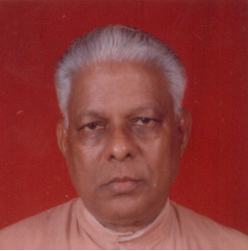
N.K. Jose
N.K. Jose is a historian and writer known for his profound insights. He has authored 101 significant historical texts and has been active in both community and political spheres. Initially involved with socialist movements, he later focused on church-related historical writing under the Nazrani series, and currently concentrates on Dalit literature.
Born on February 2, 1929, in the Kurian-Maryam family of Kudavechoor, he completed his primary education before studying at Tevara S.H. College and St. Albert’s College in Ernakulam. He pursued advanced studies in Gandhian philosophy and moved to Vardha in 1952, where he met prominent figures like Vinoba Bhave, Jayaprakash Narayan, and Ram Manohar Lohia. Though he was initially appointed to establish the Gandhi Peace Foundation in America, he returned to Kerala as a socialist activist.
As an active member of the Praja Socialist Party, Jose wrote extensively on socialism, culture, and politics during that period. He served as the secretary of the district committee of the PSP, a state committee member, and a National Conference member. During the tenure of Chief Minister Pattom Thanu Pillai, the shooting incident in Marthandam and subsequent events shook the nation. Jose opposed the police’s justification for firing on the crowd and issued a statement demanding the resignation of the Pattom ministry. The government attempted to withdraw the case through various strategies, including financial promises, but Jose remained steadfast in his stance.
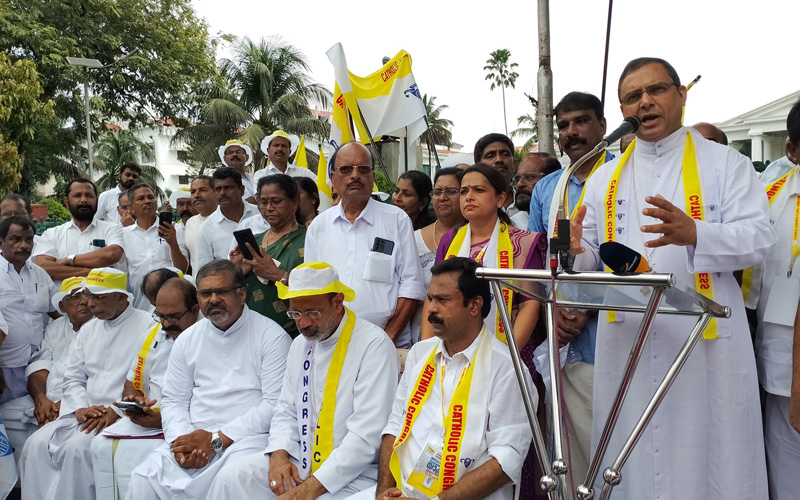
The socialist party eventually split over several national issues, leading to the formation of the Socialist Party of India under the leadership of Ram Manohar Lohia. Realizing that his activism was not solely political, Jose shifted his focus to the study and history of his community. He served as treasurer, general secretary, and vice president of the Catholic Congress for a decade, during which he produced numerous controversial works, shaping a new narrative in church history.
In a contemporary Malayalam article dated April 12, 2002, Jose expressed his belief that there are fundamentally only two ideologies in India: Hindutva and Dalitism. He lamented that historians often rewrite history based on the political interests of changing regimes, predicting that the 21st century would witness significant Dalit advancements. He emphasized that history includes both victories and defeats, illustrating this with the example of the Aryans and the Sindhu people.
After stepping back from politics, Jose focused on community activities and historical research related to Dalit movements and history. He aimed to unify Dalits across India through his writings and initiatives. The All India Dalit Federation recognized him as a Dalit leader for his works on significant figures and events such as Ayyankali, Dr. Ambedkar, the Dalit cultural identity in Kerala, and various protests for rights.
Jose’s works can be categorized into three main types: early works, Nazrani series, and Dalit literature. His first book, “Capitalism in Burden,” reflects on Congress governance, the rise of the Praja Socialist Party, and various cultural issues. In the Nazrani series, he has authored 26 works, addressing topics such as the early Christians of Kerala and the relationship of the Nazrani Church with Persia.
His Dalit literature encompasses 65 significant works, focusing on themes like Gandhi and Dalits, the Vaikom Satyagraha, and various social movements. Jose continues to engage in reading and writing, contributing to the discourse on Dalit issues.
His wife, Thangamma, hails from the family of Pulinkunnu Kanacheri.



Leave a Reply