

Prominent Figures of the Kerala Church-59
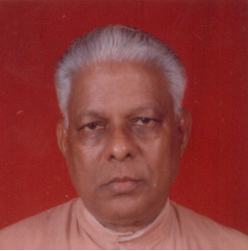
Fr. Mathew Uzhunnalil S.D.B.
Fr. Mathew Uzhunnalil, at the age of 79, has become a source of pride for Catholic believers in Yemen, where Muslim extremists pose a severe challenge. He has taken on the responsibility of overseeing the Catholic Church’s pastoral care in the very land of Osama bin Laden. Known for taking on difficult assignments and completing them successfully, Fr. Mathew Uzhunnalil has been a notable and respected figure in the Salesian community from the very beginning of his service. He has played a significant role in rejuvenating the mission work of Kerala missionaries in the northeastern regions of India, bringing Malayali missionaries to those areas and contributing to the Catholic Church’s mission and the country’s development.
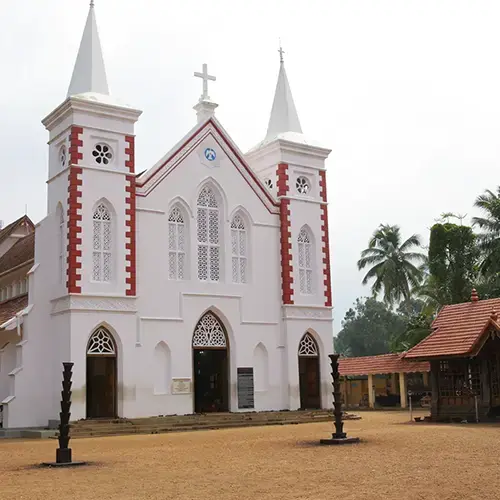
An excerpt from a 2005 article in the Deepanalam magazine describes Fr. Mathew as follows: “Fr. Mathew Uzhunnalil, a member of the Salesian Society, was born on March 30, 1926, in Ramapuram, as the son of Mathew Varghese and Elizabeth. He received his education at Ramapuram St. Augustine’s High School. After completing his high school education in 1945, he joined the Salesian seminary in Tirupattur, close to Vellore. He made his Salesian vows in 1949. Fr. Mathew was the first member of the Salesian Society from Pallaru. He then joined the Salesian Major Seminary in Sonada, Darjeeling, for philosophy studies while also attending college. In 1952, he went to Madras for three years of Salesian teaching training and worked in both Madras and Bombay. In 1956, he went to Shillong for theological studies. On July 2, 1960, he was ordained a priest at the Archdiocesan Seminary in Salem. The next day, on the feast day of St. Thomas the Apostle, he celebrated his first Holy Mass.
Fr. Mathew’s initial assignment was as the ward of a hostel associated with the college run by the Salesians in Shillong. He then worked in the Diocese of Dibrugarh in Assam. Uzhunnalil was tasked with leading the establishment of a minor seminary for this diocese, a significant milestone in the church’s history. Following the establishment of this minor seminary, there was an influx of priestly students from Kerala to Assam, Nagaland, and Manipur. Kerala, with its active missionary congregations such as the Carmelites, Franciscans, Adoration Sisters, and Medical Missionaries, provided the necessary personnel for these areas. Fr. Mathew was instrumental in setting up the field for their service.
An additional part of the Deepanalam article mentions: “During a period when American Baptist churches were very strong and Catholic churches faced significant challenges in Kohima, Nagaland, Fr. Mathew was involved in parish activities there. He faced considerable opposition from local Nagas. On one occasion, when Catholic believers were imprisoned, the then Chief Minister of Nagaland, John Bosco Jasokie, intervened personally to free them.
Three years later, Fr. Mathew was assigned to Dumduma, Assam, where a parish was being run by European missionaries. He was the first Indian priest to take over this parish. After successfully serving as rector and principal at the Don Bosco High School in Dibrugarh, which was facing numerous problems, he was assigned to Bangalore for the new province of the Salesian Society, where he served for six years as the procurator. Afterward, he was appointed to establish a B.Ed. college in Nandigama near Vijayawada, which he successfully completed. His subsequent area of work was Kerala.
Fr. Mathew’s primary field of activity later became Kannur district. He led the Salesians in taking over the Little Flower Orphanage and parish in Mattul, which had been run by the Jesus Society. He also worked as rector and principal of a technical school in Kottiyam, Kollam district, though his tenure there was short. During this time, he was requested by the Bishop of Abu Dhabi to serve in southern Yemen, and Fr. Mathew was appointed by the Salesian Superior General to undertake this mission. This appointment was entirely unexpected. In 1991, at the age of 65, Fr. Mathew left for Yemen for this new role.
Yemen is a small country with an area of 463,576 square kilometers and a population of approximately 25 million. The language spoken there is Arabic, and the predominant religion is Islam. Agriculture is the main occupation of the people. The capital of southern Yemen is Aden.
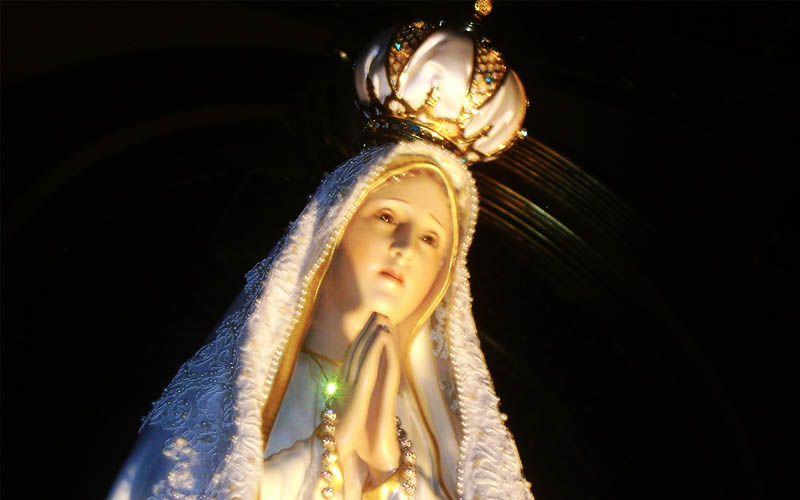
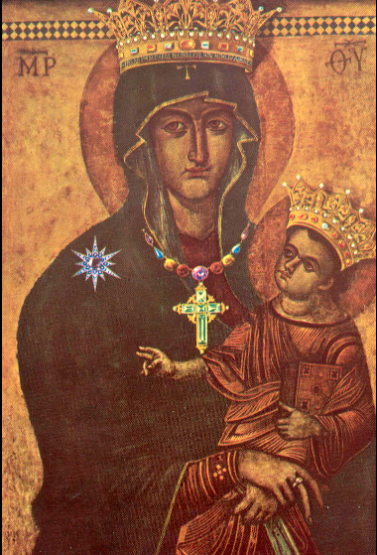
Regarding Fr. Uzhunnalil’s work in Yemen, the Deepanalam article states: “Without any prior experience in the Arabian countries, he moved forward with a firm faith in divine providence. When he landed in Yemen from India on September 4, 1991, he stopped to pray to the Holy Virgin Mary, expressing his commitment to both himself and his mission. Fr. Mathew dedicated himself completely to his mission and to the Holy Mother. His efforts in communicating with the government, striving for Christian rights, and his personal observations were all made with complete dedication to the Holy Virgin Mary and the Divine Mercy of Jesus. He asserts that not a single effort seeking the Mother’s help has failed, and his eyes reveal this belief.
Yemen, a nation deeply entrenched in conflict, offers no hope for peaceful or tranquil days. Life for those who are not Muslims is particularly insecure. Despite the intense opposition and hostility from extremists in Yemen, Fr. Mathew has managed to revive two Catholic churches and meet the spiritual needs of believers, thanks to his strong connections with high-level officials. He believes that these are divine interventions. During his 14 years in Yemen, there were two instances where extremists aimed guns at him. On one occasion, he was threatened with a gun while getting out of a car, but he was saved both times by Colonel Hussein Al-Radi, a minister who arrived just in time.
Since 1988, there have been seven bishops from Aden covering the Arabian countries, but in 1967, when Russian Communists took over Yemen and ousted the British, they expelled the bishops, priests, and sisters. Churches and church institutions became state property, and Christianity became nearly extinct in Yemen. Now, the Archbishop of Abu Dhabi, the Capuchin Bishop Paul Hinder, serves as the Apostolic Vicar for the Arabian countries.
Yemen is an Islamic state with people who are significantly backward in educational, social, and cultural sectors. Women’s education is very limited, and there is a lack of advocacy for women’s rights. The prevailing system is polygamous.
Yemen remains a region fraught with conflict and instability, with little hope for peaceful days. Life for non-Muslims is particularly perilous. Fr. Uzhunnalil has substantial influence with the government there. During the celebration of Pope John Paul II’s silver jubilee and the canonization of Mother Teresa, the Yemeni government sent a delegation to Rome, which included Fr. Mathew Uzhunnalil from Kerala. This is indicative of the influence he has had with the government.


Leave a Reply